Winter Basement Waterproofing in Middle Tennessee: Why It Matters
Protecting Middle Tennessee Homes From Winter Basement Water Issues
Winter in Middle Tennessee brings a combination of heavy rainfall, saturated ground, and fluctuating temperatures that can create serious basement moisture problems. Many homeowners associate basement water issues with spring storms, but winter conditions often expose existing weaknesses in foundations and drainage systems.
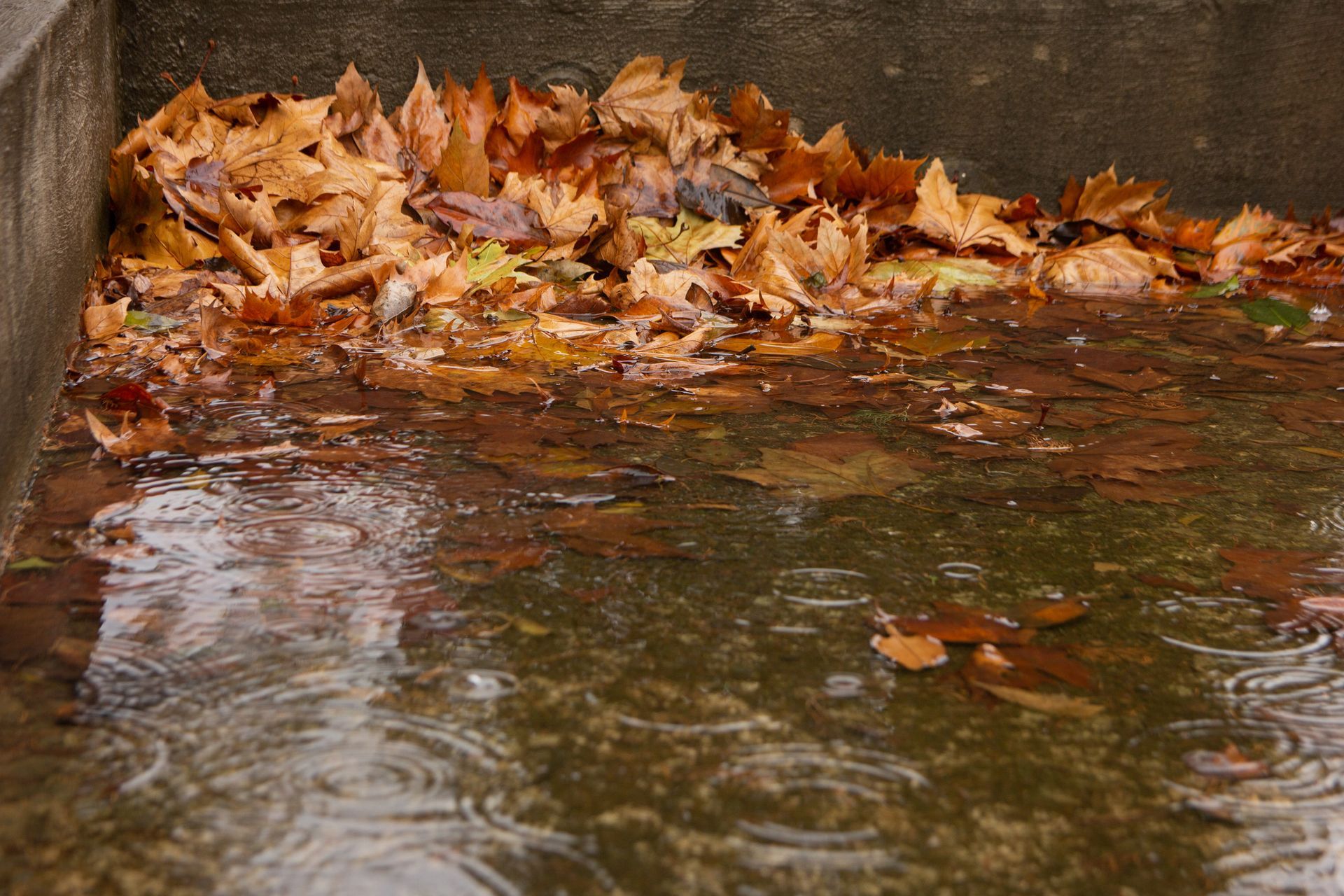
In fact, heavy winter precipitation combined with frozen or saturated ground increases pressure on foundation walls, increasing the likelihood of basement leaks. When water has nowhere to drain, it naturally looks for the path of least resistance, which is often through foundation cracks or porous concrete.
How Winter Weather Affects Basements in Cookeville, TN
Severe winter storms can create problems that don’t always show up immediately. It’s common for homeowners to notice leaks after a storm has passed rather than during it. As snow and ice melt, thawing ground releases water into the soil, increasing pressure against the foundation and allowing moisture to seep inside.
Middle Tennessee’s clay-heavy soil adds to the issue. Clay holds moisture against the foundation instead of allowing it to drain away, increasing the risk of water intrusion after winter storms. This is one reason basement waterproofing solutions must be designed specifically for local soil and weather conditions.
Why Freezing Temperatures Can Make Problems Worse
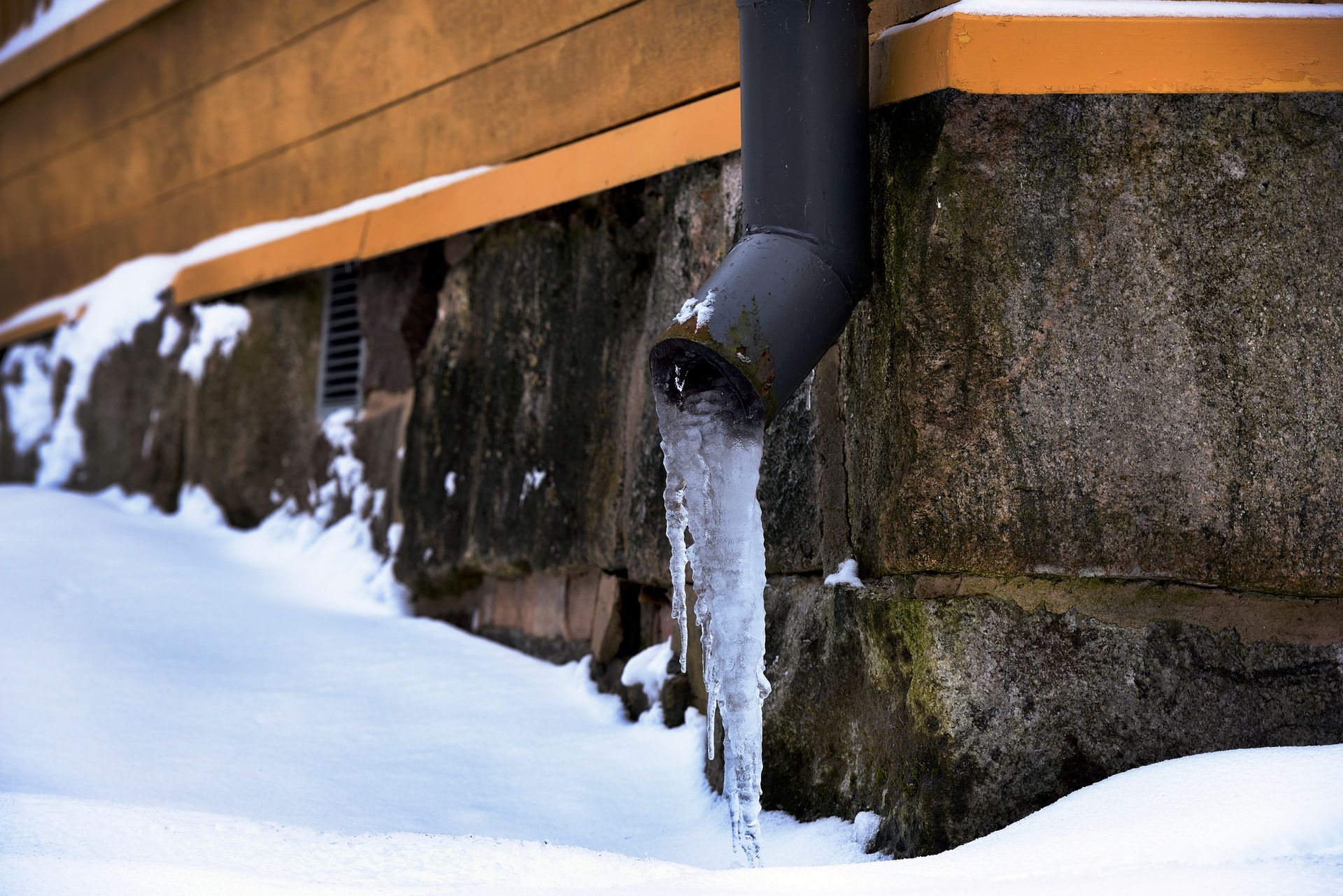
Freezing temperatures can also contribute to long-term foundation damage. Water that freezes in small foundation cracks can expand and slowly widen them over time. What starts as a minor issue during winter can turn into a more serious leak once spring rain arrives.
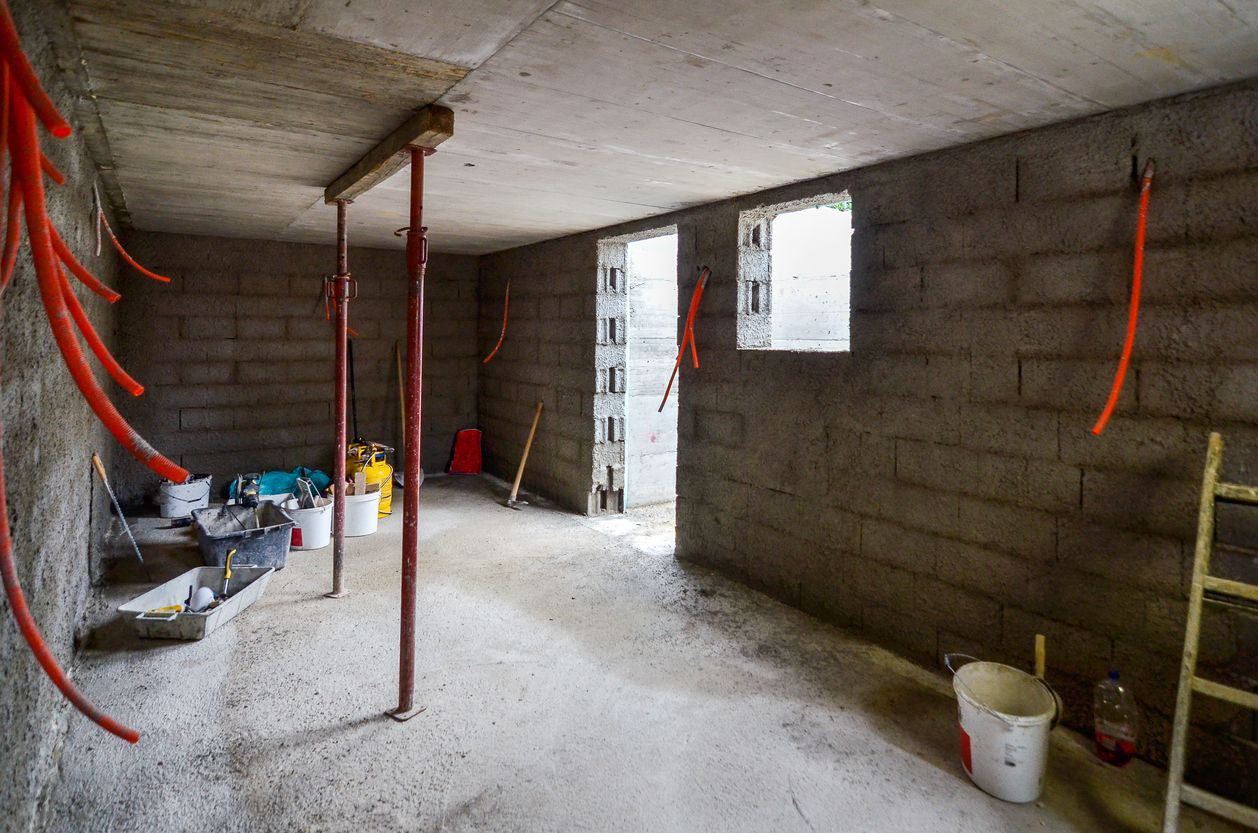
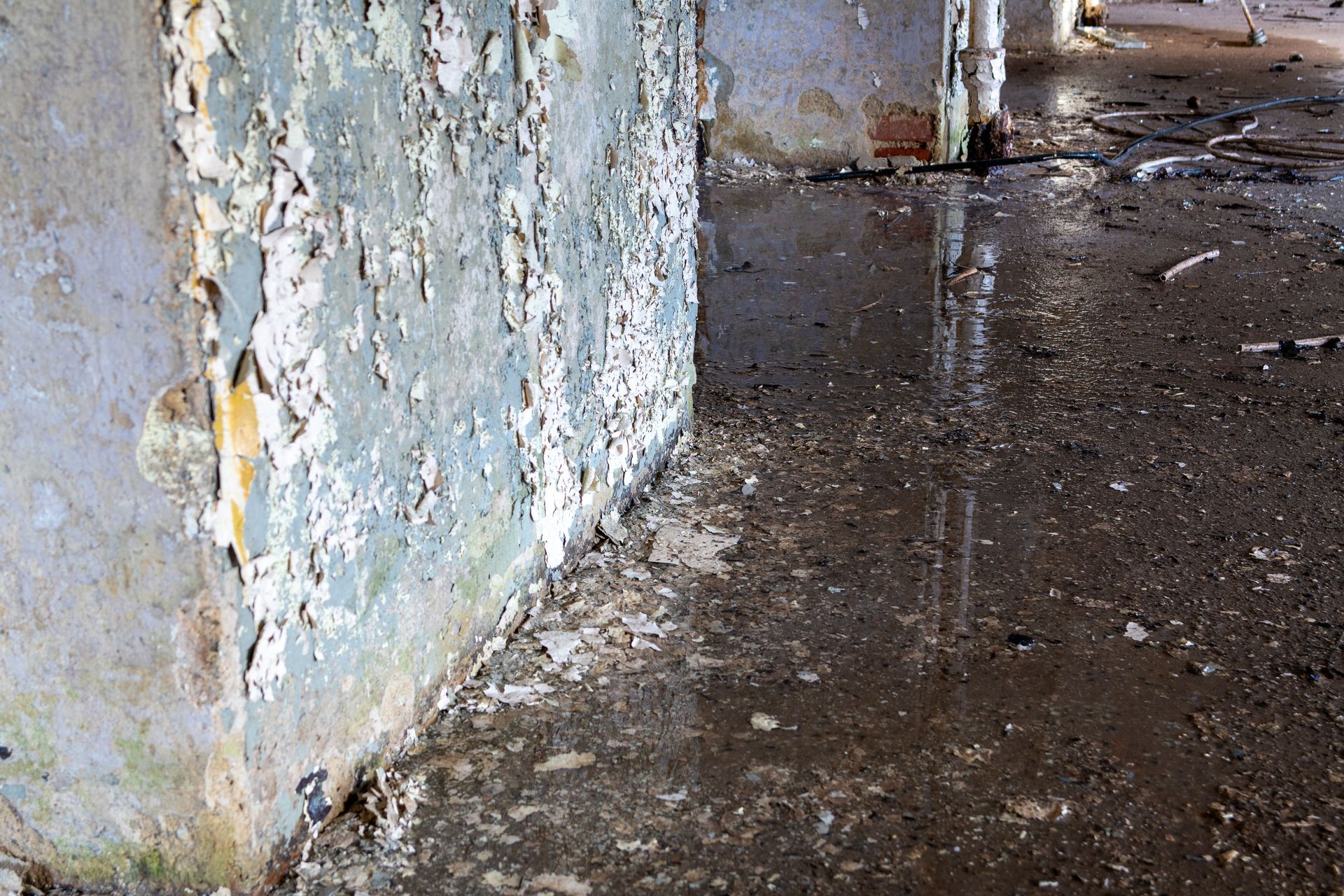
It’s common for homeowners to notice damp basement walls or musty odors after a major winter storm. These early warning signs often indicate that moisture is entering the basement and that existing drainage or waterproofing systems may not be performing as intended.
The Role of Waterproofing Systems During Winter
A properly installed waterproofing system is designed to function year-round, including during winter storms. Sump pumps, for example, should continue operating even in cold weather. However, heavy rain or rapid snow and ice melt can overwhelm older or undersized systems, leading to water buildup in the basement.
Interior drainage systems, foundation sealing, and sump pump solutions work together to manage water before it causes damage. Addressing these concerns during winter allows homeowners to identify active problems and correct them before conditions worsen.
Should Winter Basement Water Problems Wait Until Spring?
No. Early repairs help prevent mold growth, structural damage, and higher repair costs later. Waiting until spring allows moisture issues to persist, increasing the likelihood of long-term damage to the foundation and basement environment.
Winter is often an ideal time to evaluate basement conditions because moisture problems are easier to identify when they are actively occurring rather than hidden during dry months.
Protecting Your Basement After a Winter Storm
If you notice water in your basement following a winter storm, it’s a sign that your home may need improved waterproofing or drainage. Addressing the issue promptly can help protect your foundation and prevent recurring water problems year-round.
Professional basement waterproofing provides Middle Tennessee homeowners with long-term protection against seasonal moisture challenges. With the right systems in place, your basement can remain dry, stable, and protected year-round.